
Why Older Homes in Homestead Deserve Special Attention
Homestead is home to some of South Florida's most character-rich neighborhoods. From mid-century ranch-style houses near downtown to the concrete block homes that have weathered decades of hurricanes, there's no shortage of older properties with great bones and untapped potential. But remodeling an older home isn't quite the same as updating a newer build. There are hidden issues, code requirements, and material considerations that can catch homeowners off guard if they're not prepared.
Whether you bought a fixer-upper or you've lived in your home for years and are finally ready for a refresh, understanding what's behind those walls before you start tearing them down can save you thousands of dollars and weeks of frustration. Here's what you need to know.
Check for Outdated Electrical and Plumbing Systems
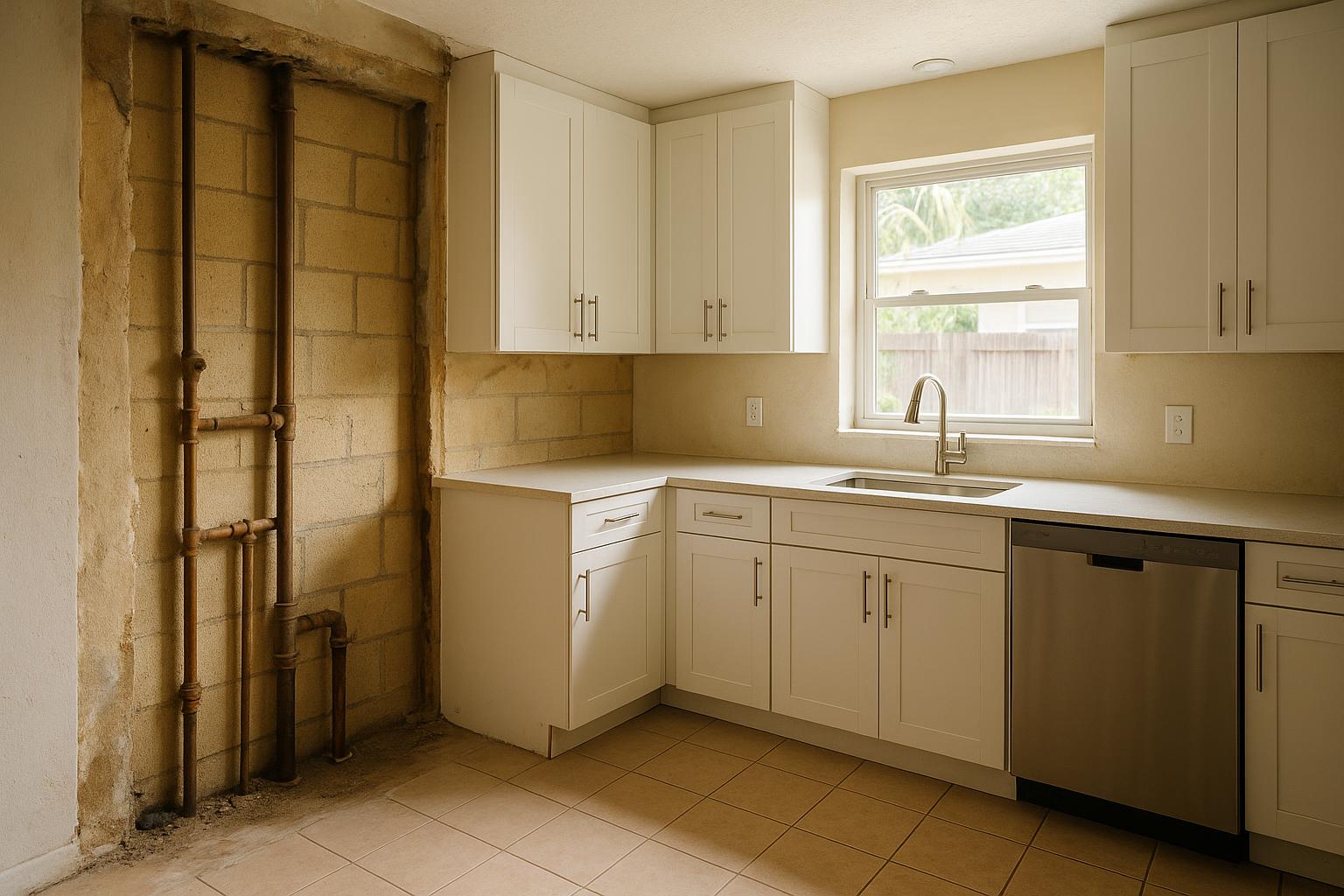
One of the most common surprises in older Homestead homes is what's hiding behind the drywall. Homes built before the 1980s may have outdated wiring, such as aluminum wiring or knob-and-tube systems, that don't meet current building codes. Similarly, older plumbing may include galvanized steel pipes that corrode over time, leading to low water pressure and eventual leaks.
During a kitchen or bathroom remodel, your contractor will likely need to open up walls, which is the perfect time to assess and upgrade these systems. In fact, if your remodel involves moving fixtures, adding outlets, or rerouting plumbing, a permit will typically require that those systems be brought up to current Florida Building Code standards.
Pro tip: Don't view electrical and plumbing upgrades as an unwelcome expense. They add real value to your home and make it safer for your family.
Understand Homestead's Permitting Requirements
Remodeling in Homestead means working within the City of Homestead's building department guidelines, and for good reason. South Florida's building codes are among the strictest in the country, largely because of our hurricane exposure. Any structural changes, electrical work, plumbing modifications, or window replacements will likely require a permit and inspections.
Some homeowners are tempted to skip permits to save time or money, but this is a decision that almost always backfires. Unpermitted work can lead to fines, complications when selling your home, and even insurance claim denials after a storm. A reputable contractor will handle the permitting process for you and make sure every phase of work passes inspection.
Watch for Asbestos and Lead Paint
If your home was built before 1978, there's a real possibility that lead-based paint was used on walls, trim, and cabinetry. Homes built before the mid-1980s may also contain asbestos in floor tiles, insulation, popcorn ceilings, or pipe wrapping. Both materials are hazardous when disturbed during demolition.
Before starting any remodel on an older home, it's wise to have suspect materials tested by a certified professional. If lead or asbestos is found, proper abatement procedures must be followed. This isn't something to cut corners on — the health risks are serious, and there are federal and state regulations governing how these materials must be handled.
Plan for Structural Surprises
Older homes in the Homestead area have endured a lot, including Hurricane Andrew in 1992, which reshaped building standards across South Florida. Some homes that were repaired after the storm may have patches and fixes that aren't immediately visible. Others may have settling foundations, termite damage to wood framing, or moisture intrusion that has weakened structural elements over time.
A thorough assessment before remodeling begins can identify these issues early. For example, if you're planning to remove a wall to open up your kitchen, your contractor needs to determine whether it's load-bearing and whether the existing structure can support the change. Discovering a rotted header beam mid-project is far more disruptive and expensive than finding it during the planning phase.
Think About Energy Efficiency While You're At It
If you're already investing in a remodel, it's the ideal time to improve your home's energy efficiency. Older homes in South Florida tend to be energy hogs, with poor insulation, single-pane windows, and outdated HVAC systems working overtime against the heat and humidity.
During a kitchen or bathroom remodel, consider these upgrades:
- Impact-resistant windows: If your remodel involves window replacement, upgrading to impact-rated glass improves energy efficiency and hurricane protection simultaneously.
- Improved insulation: When walls are opened up, adding modern insulation can dramatically reduce your cooling costs.
- LED lighting: Replacing old fixtures with energy-efficient LED options is an easy win during any remodel.
- Low-flow fixtures: New bathroom faucets, showerheads, and toilets use significantly less water without sacrificing performance.
These improvements often qualify for rebates or incentives through FPL and other programs, which can help offset the cost.
Choose Materials That Work in South Florida's Climate
Not every material that looks great in a showroom will hold up in Homestead's hot, humid environment. When selecting materials for your remodel, durability and moisture resistance should be top priorities.
For flooring, porcelain tile and luxury vinyl plank are popular choices because they resist moisture, stand up to heavy foot traffic, and stay cool underfoot. In kitchens and bathrooms, quartz countertops outperform natural stone in terms of stain and moisture resistance, making them an excellent long-term investment.
For cabinetry, solid wood and high-quality plywood with proper sealing will hold up far better than particleboard, which can swell and deteriorate in humid conditions. Your contractor should be able to guide you toward materials that balance aesthetics, durability, and budget.
Work With a Contractor Who Knows Older Homes
The most important decision you'll make when remodeling an older home is who you hire to do the work. Not every contractor has experience navigating the unique challenges that come with aging structures, outdated systems, and South Florida's demanding building codes.
At Homestead Building Contractors, we've worked on homes across Homestead, Florida City, Cutler Bay, and the surrounding communities — many of them decades old. We know what to look for, what questions to ask, and how to plan a remodel that respects your home's history while bringing it into the modern era.
We believe in straightforward communication, which means we'll tell you what we find, explain your options honestly, and help you make informed decisions about where to invest your remodeling budget for the greatest impact.
Ready to Remodel Your Older Home?
If you've been putting off a remodel because you're worried about what surprises might be lurking in your older home, the best thing you can do is start with a conversation. Understanding the scope of work before demolition day means fewer surprises, a more accurate budget, and a finished result you'll love for years to come.
Reach out to Homestead Building Contractors to discuss your project. Whether it's a kitchen transformation, a bathroom update, or new flooring throughout, we're here to help you make the most of the home you already love.