
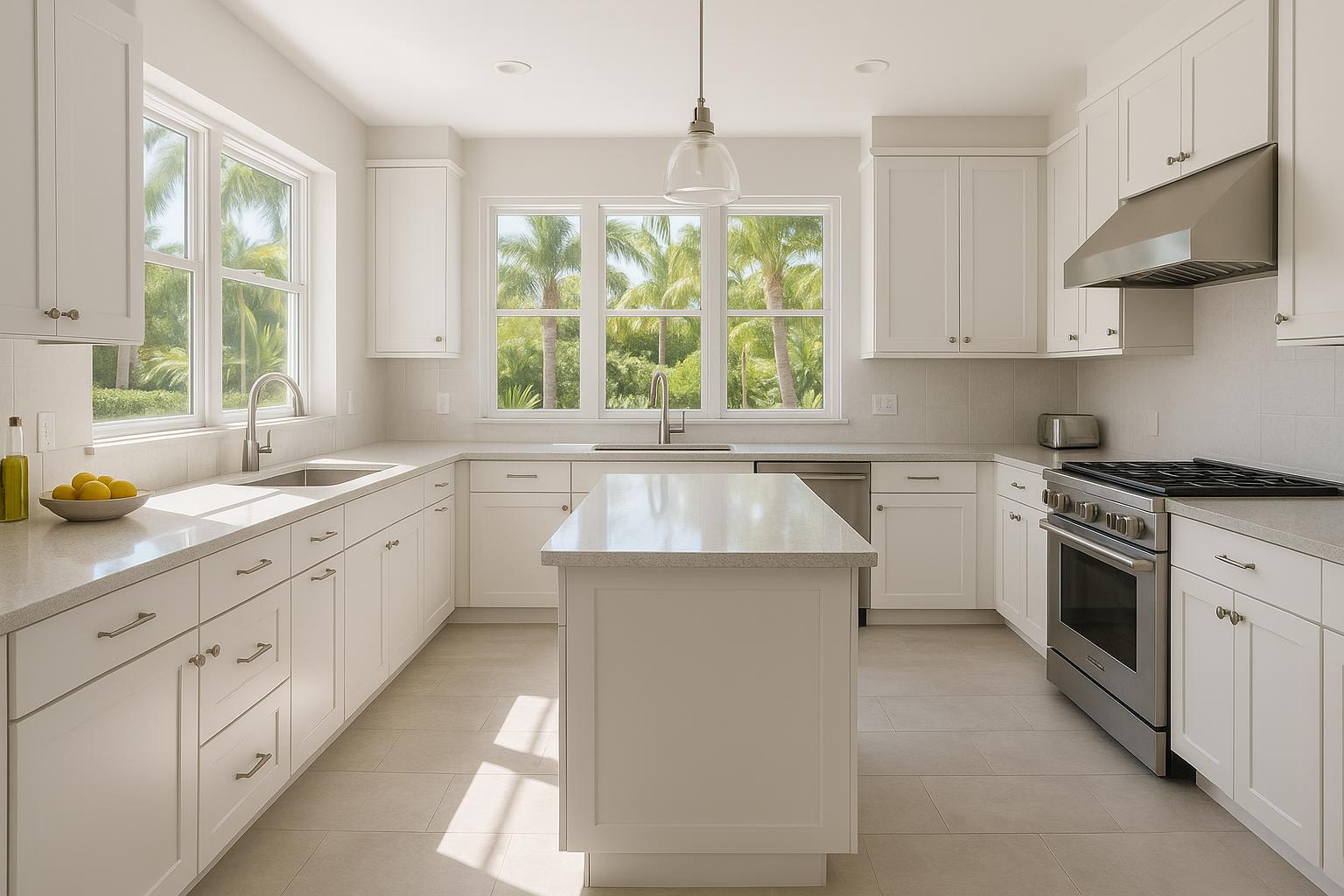
Remodeling in a Flood Zone: What Homestead Homeowners Need to Know
If you own a home in Homestead or the surrounding South Florida communities, there's a good chance your property sits in or near a designated flood zone. Between hurricane season, heavy summer rains, and our naturally low elevation, water is a reality of life here. But that doesn't mean your remodeling dreams have to take a back seat.
With the right planning and materials, you can create a beautiful, functional kitchen or bathroom that's also built to withstand what Mother Nature throws at it. In this guide, we'll walk you through the key considerations for remodeling a home in a flood-prone area — and how to make choices you won't regret.
Understanding Your Flood Zone Designation
Before you start picking out countertops or cabinet finishes, it's worth understanding your property's flood zone classification. FEMA assigns flood zone designations that affect everything from your insurance premiums to your building permit requirements. In areas like Homestead, Florida City, and Cutler Bay, many homes fall within Zone AE or Zone X, each carrying different levels of risk.
You can look up your property's flood zone on the FEMA Flood Map Service Center or check with the Miami-Dade County Building Department. Knowing your designation helps you and your contractor make informed decisions about materials, elevation, and code compliance before the first tile is laid.
Choosing Flood-Resistant Flooring
One of the most impactful decisions in any remodel is your flooring, and in a flood zone, this choice becomes even more critical. Some materials hold up beautifully against moisture while others can become a costly headache after a single water event.
Great Options for Flood-Prone Homes
- Porcelain or ceramic tile: These are the gold standard for South Florida homes. They're waterproof, durable, and available in an enormous range of styles. Many Homestead homeowners choose large-format porcelain tiles for a modern, seamless look in kitchens and bathrooms alike.
- Luxury vinyl plank (LVP): Waterproof LVP has come a long way in recent years. It mimics the look of hardwood without the vulnerability to moisture damage, making it an excellent choice for open-concept living areas connected to kitchens.
- Polished concrete: For a more industrial or contemporary aesthetic, sealed and polished concrete is virtually impervious to water.
Materials to Avoid
- Solid hardwood: While gorgeous, solid hardwood warps, buckles, and can develop mold when exposed to standing water.
- Standard laminate: Budget-friendly laminate flooring swells quickly when wet and typically can't be salvaged after a flood.
- Wall-to-wall carpet: Carpet absorbs water like a sponge and becomes a breeding ground for mold and mildew — not ideal in our humid climate.
Kitchen Remodeling Tips for Flood Resilience
Your kitchen is likely the most used room in your home, and it's also one of the most expensive to repair after water damage. Here's how to remodel your kitchen with flood resilience in mind without sacrificing style.
Elevate Electrical and Appliances When Possible
If your home has experienced flooding in the past, talk to your contractor about raising electrical outlets, switches, and appliance connections above the expected flood level. This is a relatively small investment during a remodel that can save thousands in repair costs later.
Opt for Water-Resistant Cabinetry
Standard particleboard cabinets disintegrate when exposed to water. Instead, consider cabinets built with marine-grade plywood, solid wood with waterproof finishes, or PVC-based cabinet boxes. Custom cabinetry gives you the flexibility to choose materials specifically suited to your home's conditions while still getting the exact look and layout you want.
Select Smart Countertop Materials
Quartz and granite are both excellent choices for flood-prone kitchens. They're non-porous (or can be sealed to resist moisture), easy to clean, and won't harbor mold. Avoid materials like unsealed marble or butcher block in areas where water exposure is a concern.
Bathroom Remodeling in Wet Climates
Bathrooms already deal with daily moisture, so building one that can handle occasional flooding is really about doubling down on good waterproofing practices.
Invest in Proper Waterproofing
A quality bathroom remodel in Homestead should include a waterproof membrane behind tile walls, especially in shower areas. Products like Schluter-DITRA or RedGard create a barrier that prevents moisture from reaching the wall structure. This is one of those behind-the-scenes details that separates a remodel that lasts from one that develops problems within a few years.
Use Mold-Resistant Materials
Choose mold-resistant drywall (like purple board) for bathroom walls, especially in areas not covered by tile. Pair this with mold-resistant paint and proper ventilation — a quality exhaust fan is a must in our humid South Florida climate.
Consider a Curbless Shower Design
Curbless or zero-threshold showers are trending for good reason. They look sleek, improve accessibility, and when properly installed with the right drainage slope, they actually manage water more effectively than traditional raised-curb designs.
Don't Forget About Permits and Insurance
Any significant remodeling project in Homestead requires permits from the Miami-Dade County Building Department. This is especially important in flood zones, where specific building codes apply. Working with a licensed contractor who understands local permitting ensures your project is compliant and that your improvements are properly documented.
Proper documentation matters for another reason: insurance. Many homeowners in Naranja, Leisure City, Palmetto Bay, and throughout South Florida carry flood insurance policies. Improvements that bring your home closer to current flood code standards can sometimes reduce your premiums. Keep records of all materials used and improvements made — your insurance agent will thank you.
Work With a Contractor Who Knows the Area
Remodeling in a flood zone isn't just about aesthetics — it's about making smart, long-term decisions that protect your investment. A contractor who understands the specific challenges of building in Homestead and the surrounding communities will guide you toward materials and methods that make sense for where you live.
At Homestead Building Contractors, we've helped homeowners throughout South Florida navigate these exact decisions. From choosing the right flooring for a kitchen remodel to waterproofing a bathroom from the studs out, we bring honest craftsmanship and straightforward advice to every project.
The Bottom Line
Living in a flood zone doesn't mean settling for a home that feels like a compromise. With thoughtful planning, the right materials, and a contractor who communicates openly about what works and what doesn't, you can have a beautifully remodeled kitchen or bathroom that's also built to handle whatever the next rainy season brings.
If you're thinking about a remodel and want to make sure your investment is protected, reach out to us. We're happy to walk through your options and help you create a plan that works for your home, your budget, and your peace of mind.